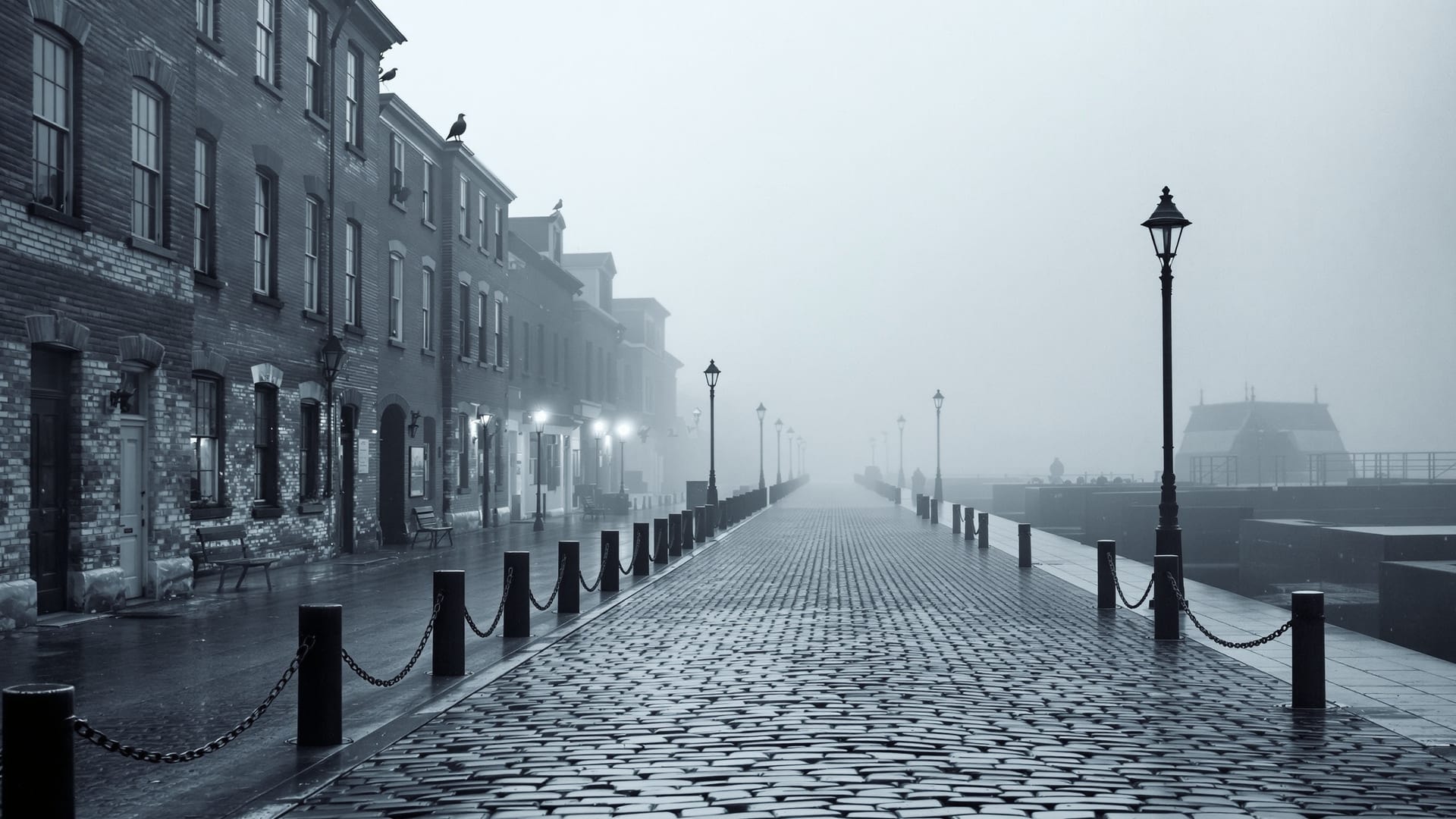
From a world-renowned whaling port, to a leader in the textile industry, to its present incarnation as a modern fishing community, New Bedford has an unusually rich and layered heritage — and one that has been unusually well written about. This was the standing list Baker Books kept on its home city, and of all the local-interest shelves it was the one the store defended hardest.
The whaling capital
Between roughly 1820 and the Civil War, New Bedford was the wealthiest city per capita in the United States, and the reason was oil. The sperm-whale fishery, born on Nantucket and refined here, sent hundreds of vessels out of this harbour on voyages measured in years. The industry left behind an enormous documentary record — logbooks, crew lists, account books, photographs — and a literature that runs from Melville down to the present day.
The pictorial record is remarkable in its own right. A New Bedford artist sailed aboard the whaling bark Sunbeam in 1904, near the very end of the industry, and photographed the voyage for his own reference; the result is the most complete known photographic account of a sperm-whaling voyage, from New Bedford to the Cape Verde islands and back, covering the vessel, the gear, the shipboard routine and the processing of the catch. The New Bedford Whaling Museum holds and interprets that material today.
For the whaling literature in depth, see the whaling list; for voyages and seamanship more broadly, the nautical history list.
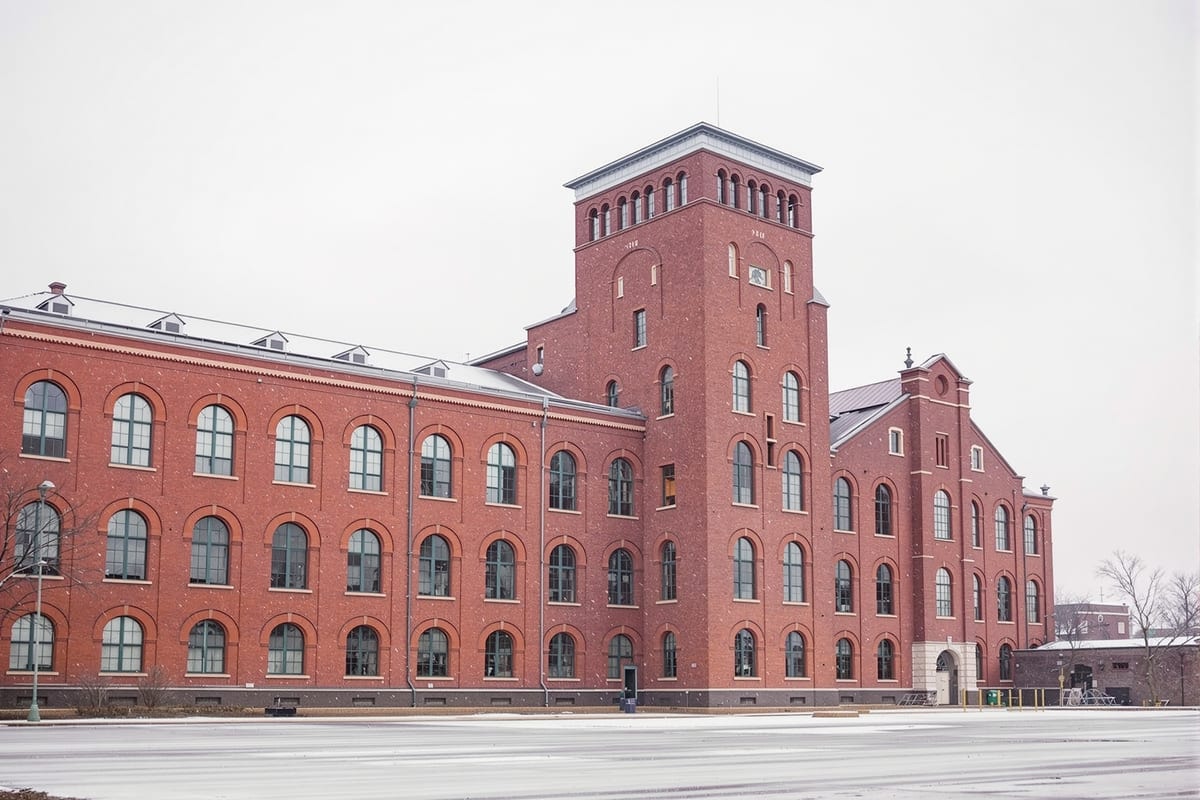
A haven for fugitives from slavery
The strand of New Bedford's history the store pushed hardest on was the city's role on the Underground Railroad. Between 1790 and the Civil War, New Bedford became known not only as the whaling capital of the world but as one of the greatest asylums in the country for people escaping slavery. Among those who found safe haven here was Frederick Douglass, who lived and worked in the city after his escape and whose account of it was published and widely circulated.
The essential modern study is Kathryn Grover's The Fugitive's Gibraltar: Escaping Slaves and Abolitionism in New Bedford, Massachusetts (University of Massachusetts Press, 2001), which works through demographic data, fugitive narratives, Underground Railroad accounts and correspondence to ask how the city came to be seen that way — and finds a more complicated answer than the legend allows, with the question of sheltering fugitives dividing white abolitionists even as it hardened the resolve of abolitionists of colour. Robert C. Hayden's African-Americans and Cape Verdean Americans in New Bedford (1993) was the first book published on the history and contributions of people of colour in and from the city, arranged across a dozen fields of endeavour. The National Park Service's history and culture pages for the New Bedford Whaling National Historical Park cover this ground as well.
Mills, strike and aftermath
Whaling capital built the textile industry that followed it, and New Bedford spent the early twentieth century as one of the most important fine-cotton centres in the world. In the spring of 1928, thirty-five thousand workers in New Bedford and Fall River walked out against a ten per cent wage cut, in a strike that lasted six months and was the largest in New England that decade. Daniel Georgianna's The Strike of '28 (Spinner Publications, 1993) traces the line from whaling wealth to mill expansion to the strike itself and its aftermath, using photographs, first-hand accounts and interviews with participants.
Not every consequence of the whaling boom went down with the mills. Ed Parr's The Last American Whale-Oil Company (Old Dartmouth Historical Society, 1996) follows a New Bedford lubricants concern that began in the whale fishery and successfully adapted through the industrial revolution and beyond — a company whose path ran roughly parallel to the national economy, and which managed the transitions the city itself did not.
The city remembered
Alongside the scholarship, the store always kept the neighbourhood books: small, locally published memory-histories of the downtown shopping district and of Acushnet Avenue in the North End, the kind of volume that is packed with the names of vanished shops and streets and is worth more to a reader from here than any survey. Jack Radcliffe's I Didn't Know That! (2001) collects the city's less-than-trivial trivia — the builder of the USS Constitution, the first African-American soldier awarded the Medal of Honor, the Witch of Wall Street, all of them from New Bedford or its surrounding towns.
And there is the obvious one. Moby-Dick opens in this city, in a chapel on a hill above a harbour full of ships; the novel is freely readable at Project Gutenberg. The store sold a great many copies of it to people who had walked past that chapel on the way in.