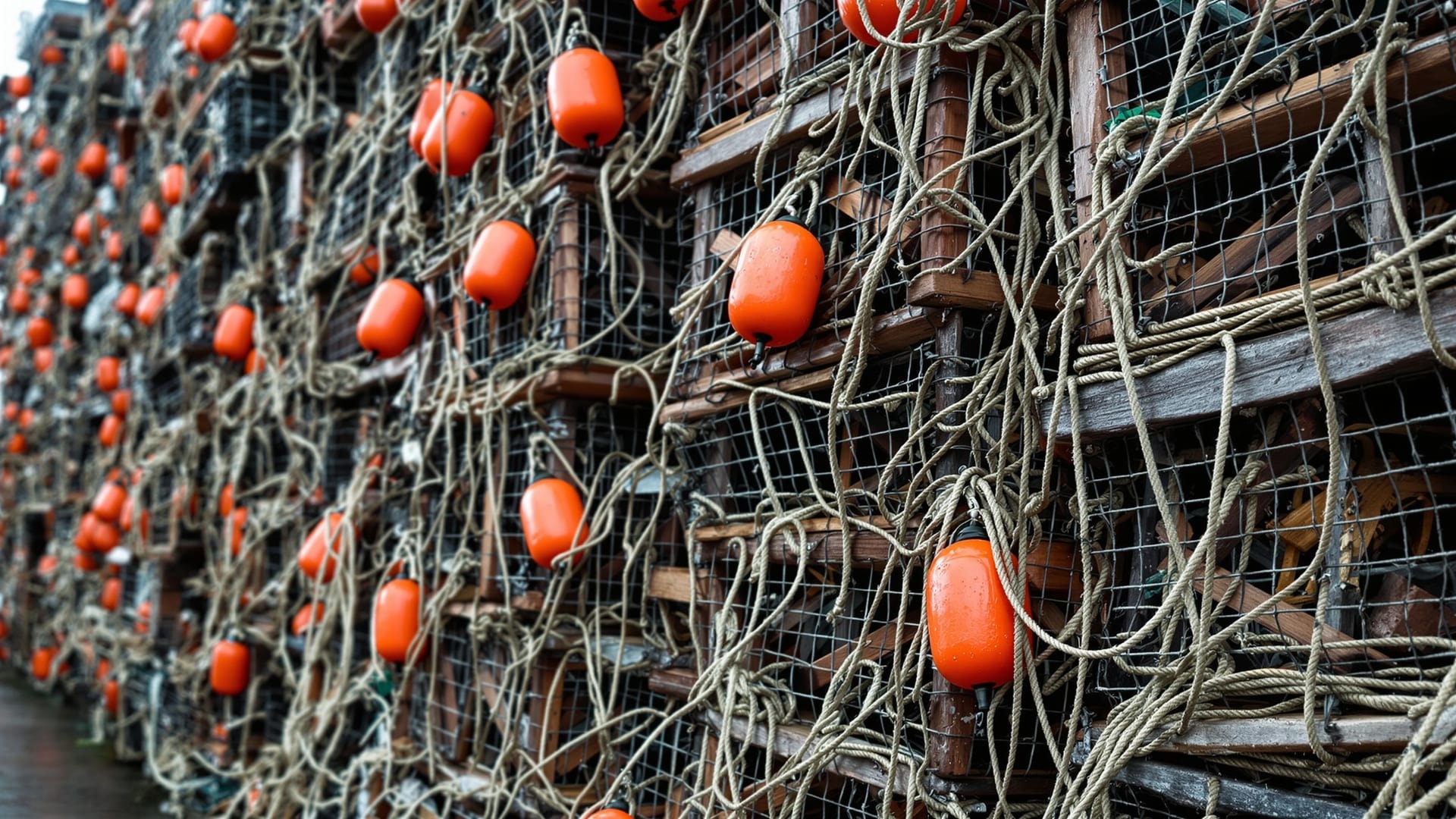
New England has a long tradition of living from and by the sea, and nowhere more so than on the south coast of Massachusetts. Once the world's largest whaling port, New Bedford now ranks among the largest commercial fishing communities in the United States — by landed value it has repeatedly been the highest-grossing fishing port in the country, largely on the strength of the scallop fleet.
This shelf held books about that: the danger and the drama faced by working fishermen, and the history and economics of commercial fisheries in New England. It was one of the few sections in the store where the customers frequently knew more about the subject than the books did.
The working life
Paul Molyneaux's The Doryman's Reflection is the best single account of what happened to the small independent fisherman in the second half of the twentieth century. Molyneaux apprenticed to one of Maine's last independent commercial fishermen with no experience and a romantic idea about boats, and stayed long enough to watch the whole structure change around them — the personal, political, environmental and economic pressures that pushed the small operator out and left consolidation in his place. It is a book about skill becoming obsolete, which is a harder subject than danger.
Colin Woodard's The Lobster Coast makes the argument at community scale. The tiny fishing and farming hamlets along the Maine coast are still occupied by the families that settled them three and four centuries ago, and the thing that sustains them is the lobster — a species that went from cheap bait and servants' food to a global delicacy and, in the process, became the underpinning of an entire regional economy and culture. Woodard is good on how Maine's lobstermen built their own working conservation regime and made it stick.
Fish, whales and the regulatory fight
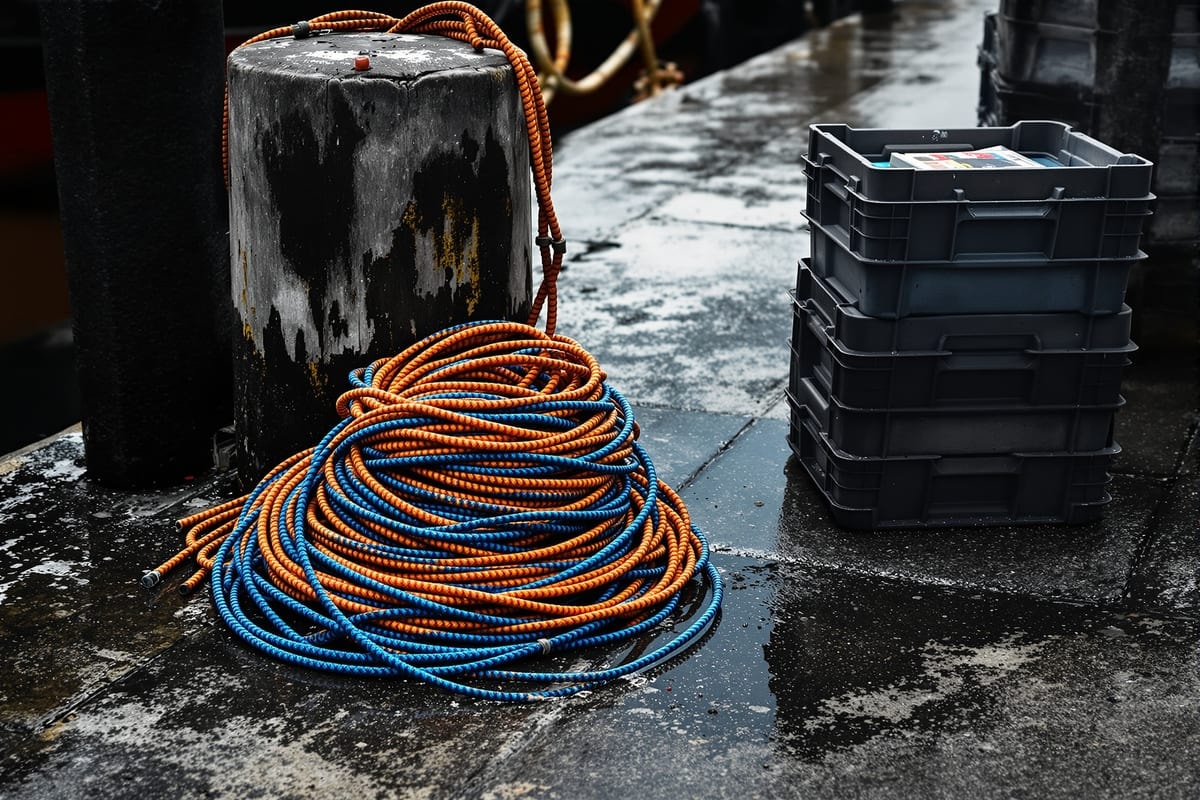
Any honest fishing shelf has to carry the conflict, and Tora Johnson's Entanglements is the level-headed version of it: the collision between fishermen, scientists and whale advocates over gear that entangles the critically endangered North Atlantic right whale, and the thousands of coastal families whose livelihoods hang on the outcome. It refuses to make anyone the villain, which is why it was worth stocking in a fishing port.
The historical fisheries are worth the same attention. Mike Smylie's Herring: A History of the Silver Darlings follows two millennia of commercial herring fishing around Britain — the shoals, the boats, the superstitions, the towns that grew rich on the backs of the silver darlings and then did not. The pattern in it is the one every fishery eventually repeats.
Who crewed the boats
The New Bedford fleet was built by immigrants, and the composition changed by generation: Azorean and Cape Verdean crews out of the whaling era, then Norwegian fishermen through the middle of the twentieth century, then Portuguese, then Central American shoreside labour in the processing plants. Astrid Tollefsen's Following the Waters is an oral history of the last Norwegian emigration — the pendlers, or commuters, whose seafaring skills fed directly into the growth of the fishing industries of both New Bedford and Seattle-Alaska.
That thread runs straight into the Portuguese and Cape Verdean section, which covers the same waterfront from the other direction.
Standing on the wharf
What none of these books quite conveys, and what anyone who lived here absorbed without noticing, is the ordinary industrial texture of a working port: ice trucks at four in the morning, the sound of a hydraulic winch across flat water, the smell that a visitor mentions and a resident does not. The store's fishing shelf was, in a real sense, the section that pointed out of the window.
For the wider historical record of the port and its trades, the New Bedford Whaling National Historical Park and the New Bedford Whaling Museum both carry the story forward from whaling into the modern fishery.