For part of the 2000s Baker Books ran a second location in Fall River, about fifteen miles west along the shore of Mount Hope Bay. It had its own events, its own staff recommendations and its own entry in the annual children's poetry contest, where by its second year of competition it was drawing several hundred entries from schools across the Fall River area. This page is about the city and its literature.
The granite city
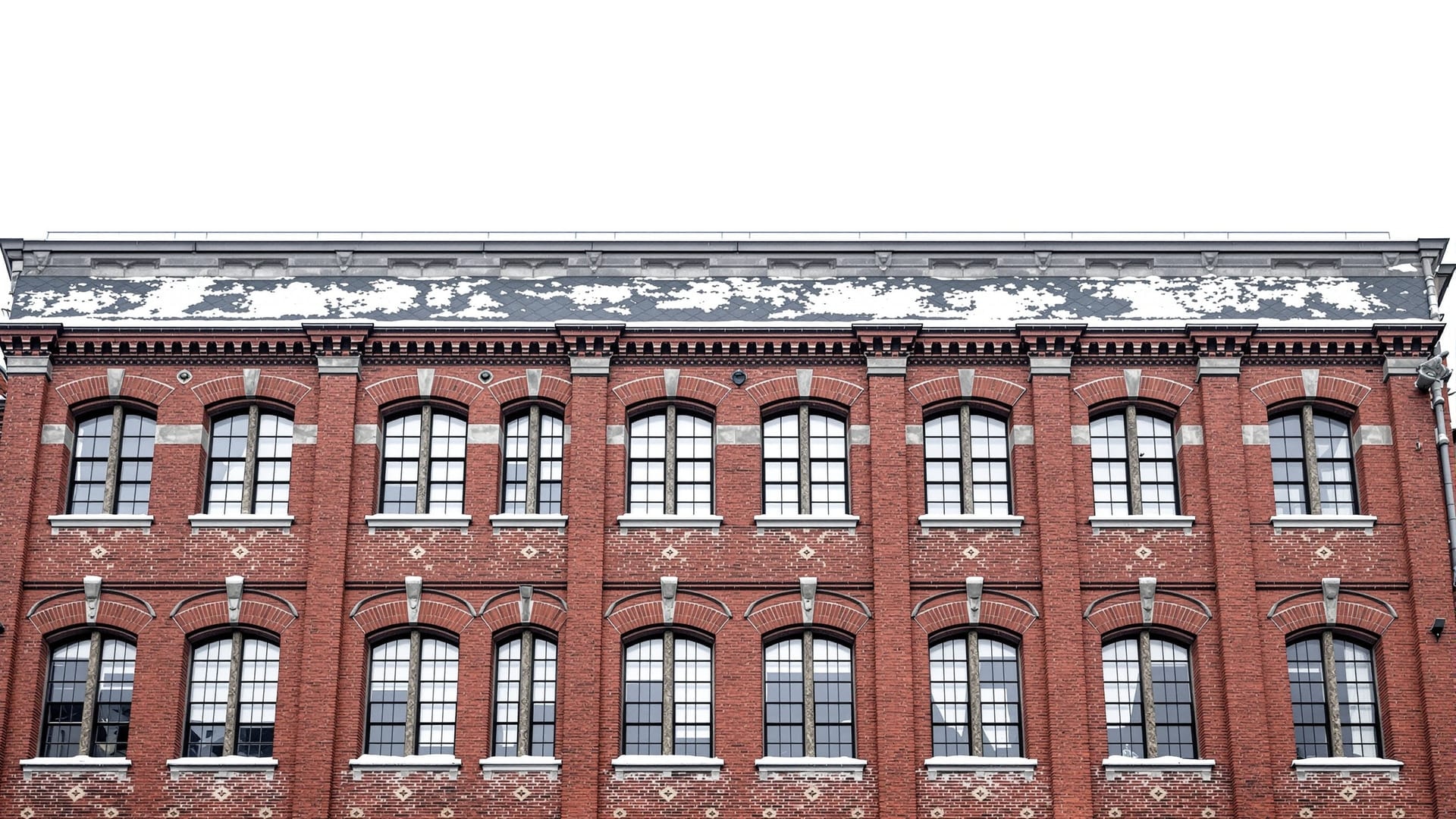
Fall River is a mill city built out of the granite it stands on, which gives it an architectural character quite unlike New Bedford's brick. At its peak in the early twentieth century it was the largest cotton-textile centre in the United States, with more spindles than any city in the country and a population drawn from Lancashire, Ireland, French Canada, Portugal and the Azores. Its rise was faster than New Bedford's and its collapse was harder.
The two cities' histories are joined at the 1928 strike, when thirty-five thousand textile workers across both cities walked out for six months against a wage cut. That story is covered on the New Bedford page, but it belongs at least as much to Fall River, where the mill economy was the entire economy.
The Portuguese city
Fall River today has one of the highest concentrations of Portuguese ancestry of any city in the United States, drawn primarily from the Azores and continental Portugal and arriving in successive waves through the mill era and well into the later twentieth century. The community's institutions — the clubs, the bands, the feasts, the bakeries — are as much a part of the city's fabric as the mills, and the literature on them overlaps heavily with the Portuguese history section.
The case
There is no avoiding it: Fall River is known nationally for one thing, and it happened on a hot morning in August 1892. The Borden case has generated a genuinely enormous literature, most of it worthless and some of it excellent. The serious end consists of comprehensive reference works — trial transcripts, inquest testimony, contemporary press coverage, and detailed chronologies of the household and the neighbourhood — compiled by researchers who have worked the primary sources for decades. Baker Books stocked the reference works and largely left the speculation alone, on the grounds that a bookshop fifteen miles from the house has a certain obligation not to sell nonsense about it.
The case is also a useful lesson in local history generally: an event so heavily documented that the documents themselves become the subject, and where every retelling is really an argument about which sources to trust.
The second store
The Fall River branch was a genuine second shop rather than a satellite, and it behaved like one. It kept its own events calendar, published its own staff recommendations, ran its own book groups, and entered the annual children's poetry contest as a separate location with its own award ceremony and its own set of winners — by its second year drawing several hundred entries from more than fifteen Fall River-area schools.
Running two locations fifteen miles apart is harder than it looks for a shop of this size: stock has to be split, staff cannot cover both, and events compete for the same regional audience. That the branch sustained its own programme for several years says something about how much appetite there was in the city for it.
The waterfront
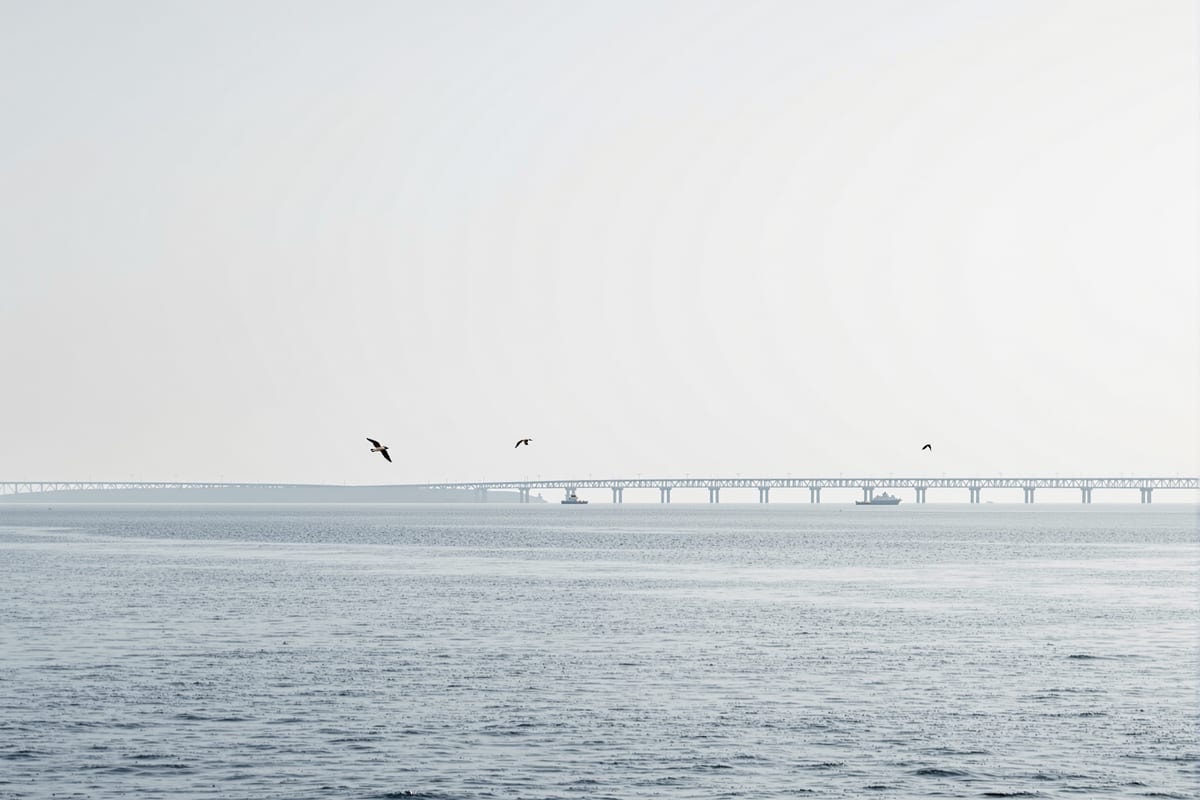
Fall River's other permanent feature is Battleship Cove, the collection of preserved United States Navy vessels moored at the head of Mount Hope Bay — a battleship, a destroyer, a submarine and smaller craft. It anchors a naval-history reading interest that sits alongside the region's older maritime literature, covered in the nautical history section.
For the wider regional record, Digital Commonwealth holds digitised photographs and documents from Fall River institutions among the rest of the state's collections, and the Massachusetts Historical Society is the standing reference for manuscript material.