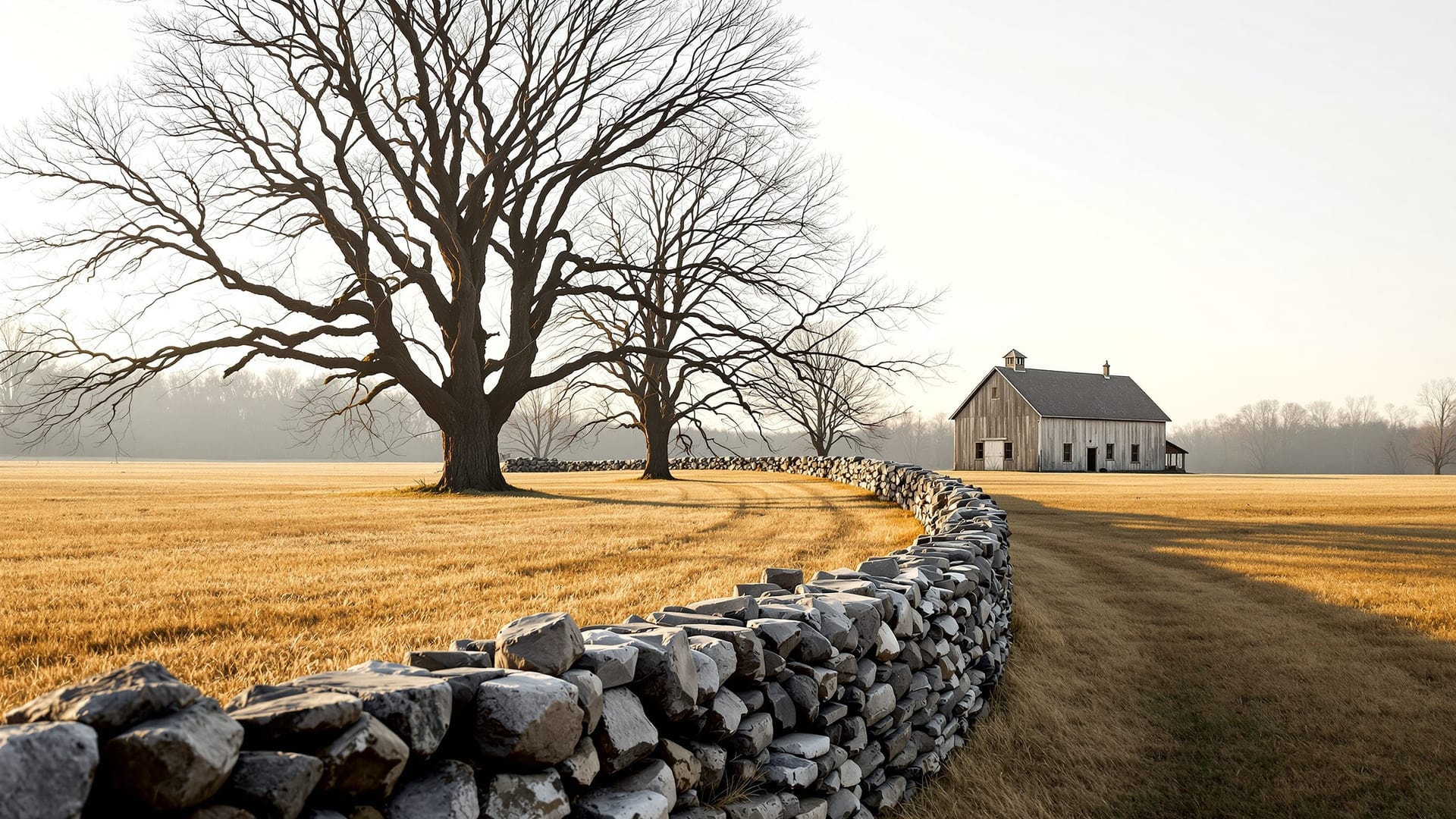
This was one of the sections of the store its booksellers were proudest of, and the one most likely to produce a conversation at the counter. It carried an extensive run of books with a distinctly local flavour: the cultural history of the area's towns and cities, books on the ethnic diversity of the region — Wampanoag, Portuguese, Cape Verdean and the rest — and books on the region's intimate and varied relationship with the sea.
The towns
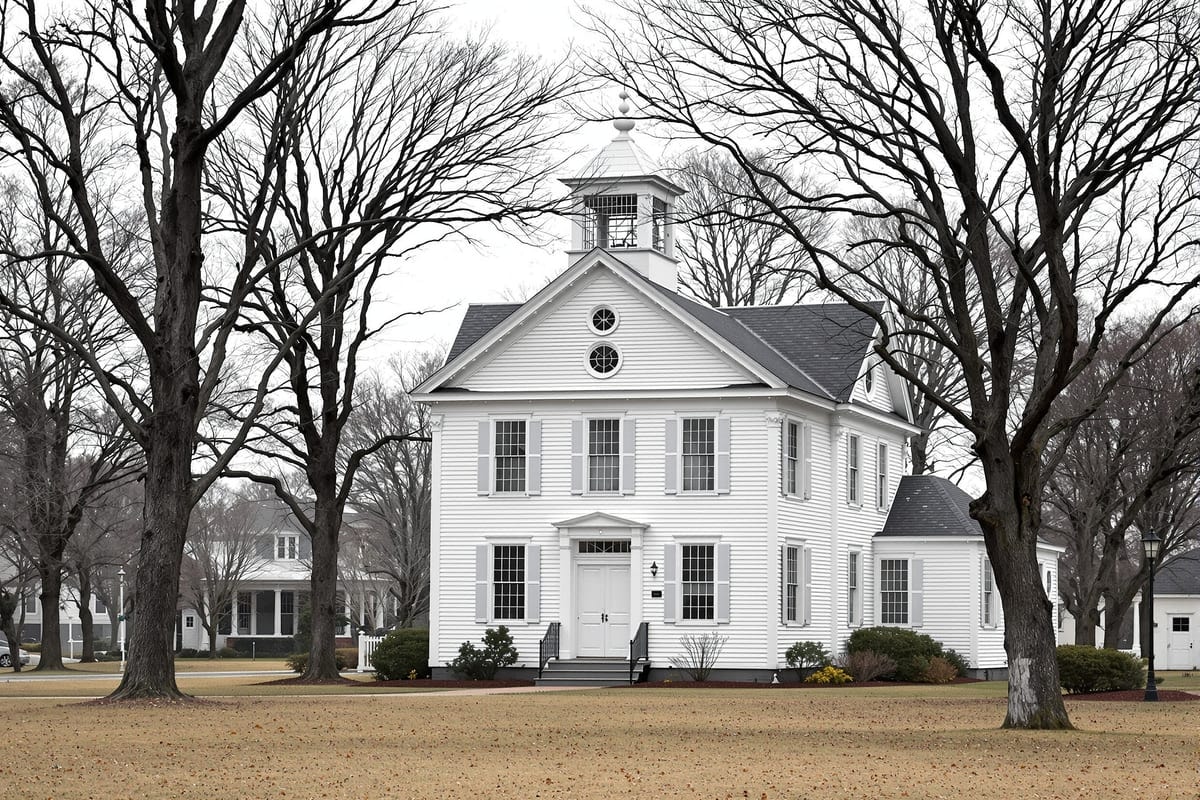
The SouthCoast is a set of towns that look similar on a map and are not remotely alike in practice. Dartmouth is an old agricultural town that acquired a shopping strip and a university campus. Westport is farmland running down to a river and a beach, with the region's vineyard on it. Fairhaven, across the river from New Bedford, is a small town with a set of monumental public buildings out of all proportion to its size, the gift of a single nineteenth-century benefactor. Acushnet is the mill village upriver. Little Compton, just over the Rhode Island line, is a different state and much the same landscape.
Each has its own literature, most of it locally published: town histories, photographic and postcard collections, church and cemetery records, and the memory-books that catalogue the vanished shops and streets of a particular decade. That last category is the one that sells out and never gets reprinted.
The whale-oil economy and what came after
The commercial history of this region is a chain of transformations, each one built on the wreckage of the last: whaling to textiles to fishing. Ed Parr's The Last American Whale-Oil Company follows the exception — a New Bedford lubricants firm that began in the whale fishery and adapted successfully through the industrial revolution and into the era of technology, tracking the national economy the whole way. It is a genuinely useful case study for anyone interested in how sweeping economic transformations play out inside a real company rather than in the aggregate.
The counterweight is the textile story, and above all the 1928 strike, which is where the region's labour history is concentrated.
The figures
Local history here tends to organise itself around individuals, and the standing cast is small and well documented. Frederick Douglass, who lived and worked in New Bedford after escaping slavery. Herman Melville, who shipped out of Fairhaven aboard the Acushnet and put the city into the opening chapters of Moby-Dick. Joshua Slocum, who rebuilt the sloop Spray at Fairhaven and sailed her alone around the world — the subject of concise local biographies covering his life before and after the voyage, which is the part the famous book leaves out. Paul Cuffe, the Westport-born shipowner, merchant and colonisation advocate of African and Wampanoag descent, who is chronically under-read. And, thirty minutes up the road in Fall River, Lizzie Borden, about whom the local shelf carried the serious reference works rather than the true-crime paperbacks.
Using the shelf
Local history is the section where a bookshop's judgement matters most, because the field is full of privately printed material of wildly varying quality and no national review apparatus sorts it. What a good local shelf provides is triage: which town history is the standard one, which photographic collection is properly captioned, which biography checked its sources. That was the service Baker Books provided here, and it is the part of the store that is hardest to replace.
For primary material, the Massachusetts Historical Society and Digital Commonwealth between them cover most of what has been digitised, and the National Park Service history and culture pages are a reliable orientation to the New Bedford end of it.